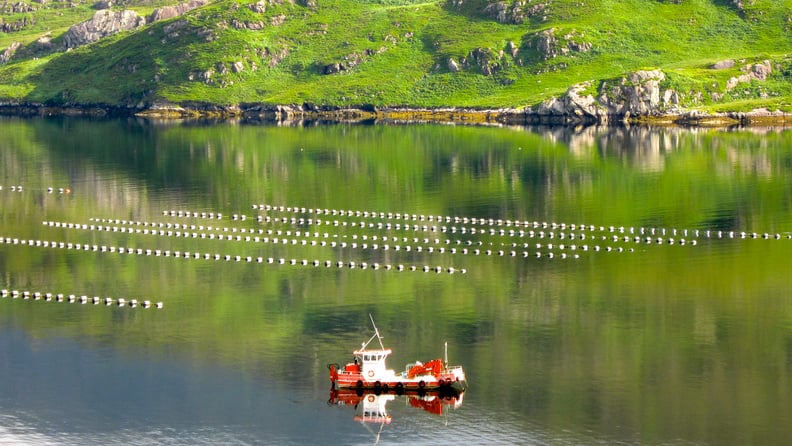
About Leenane Village
Situated at the head of Killary Harbour, a grand 16-kilometer fjord cradled beneath the towering Maamtrasna and Maamturk mountains along the Galway-Mayo border, Leenane stands as a testament to nature's grandeur and timelessness. Its origins date back to prehistoric epochs, as evidenced by ancient tombs and historic potato ridges scaling the mountainsides, imbuing Leenane with an enduring sense of history and heritage.
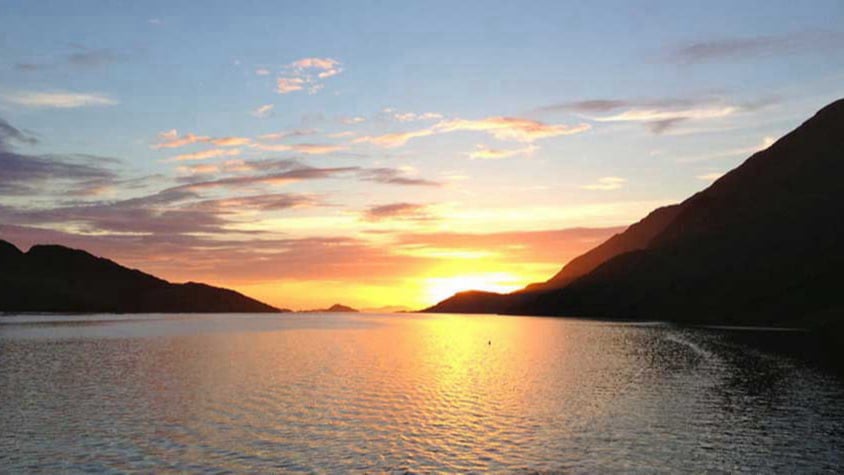
For more than 150 years, Leenane has beckoned artists, athletes, geologists, and leisure-seekers with its breathtaking and diverse landscapes. The interplay of sea and mountains creates a canvas alive with vibrant hues: verdant summer hills, fiery oranges and russets of autumnal mountains, and the serene slate blues of winter seas.
Within this natural splendor, sheep freely roam the highlands, while salmon gracefully leap through the enchanting Aasleagh falls at the fjord's head. In Leenane, the harmonious convergence of land and sea presents an ever-changing panorama, inviting exploration and admiration from all who venture into its embrace. Its allure lies in the timeless dance of elements, where every vista tells a story and every moment captivates the soul with its sublime beauty and tranquility.
History Part i
The saga of human habitation encircling Leenane unfolds across the epochs, anchored by the imposing megalithic tomb crowning Leenane Hill—a testament to its ancient roots. Despite its natural allure, Leenane lingered on the fringes of historical documentation until the 1800s, owing to its secluded setting. Nevertheless, the strategic importance of Killary Harbour, renowned for its safe anchorage, resonates through maritime archives dating back to the 1200s.
In the late 1700s, Leenane provided refuge for the infamous smuggler George O’Malley, whose exploits added depth to the village's storied narrative. Throughout the tumultuous 20th century, Leenane emerged as a haven for the Royal Fleet, submarines, and U-Boats, carving out an indelible niche in maritime lore.
The Leenane of today began to coalesce in the 1880s, marking a watershed moment in its evolution. Previously, the village pulsated around the hotel, with outlying settlements at Lettirbricaun and Lachan, both gradually fading into obscurity—one ravaged by famine, the other by eviction. The construction of Leenane Bridge by Nimmo ignited a transformative era, fostering the emergence of a cohesive village, a symbol of progress and continuity woven into Leenane's historical tapestry.
As Leenane continues to evolve, each stone, each edifice bears testament to its enduring legacy—a testament to resilience, adaptation, and the timeless allure of a landscape steeped in history and tradition.

History Part II
Since the time of Cromwell, vast swathes of land in the vicinity were under the dominion of Trinity College. Subsequently, absentee landlords assumed control, subjecting locals to enduring poverty. Lazy Beds, visible atop desolate mountains, bear witness to their relentless struggle for sustenance. The region endured the full force of successive 19th-century famines, with haunting accounts of starvation meticulously recorded by the Society of Friends in 1847.
The tide began to turn in the 1880s. The burgeoning success of the hotel injected a newfound sense of prosperity into the area. Crucially, the Congested Districts Board established a weaving school and nurtured a local weaving industry centered at the hotel. A lace-making school for girls earned royal recognition during Queen Alexandra's visit in 1903, accompanying King Edward VI's tour. Moreover, the early 20th century witnessed tenant farmers finally obtaining the lands they had toiled upon for generations, courtesy of the Land Commission's interventions. These transformative developments marked a pivotal shift in the region's socioeconomic fabric, signaling a departure from centuries of hardship towards a more promising future.
The echoes of struggle and resilience resonate across the landscape, woven into the fabric of Leenane's history. Through adversity and triumph, the community forged its identity, navigating the ebb and flow of fortune with unwavering determination and hope for a brighter tomorrow.

Ecology
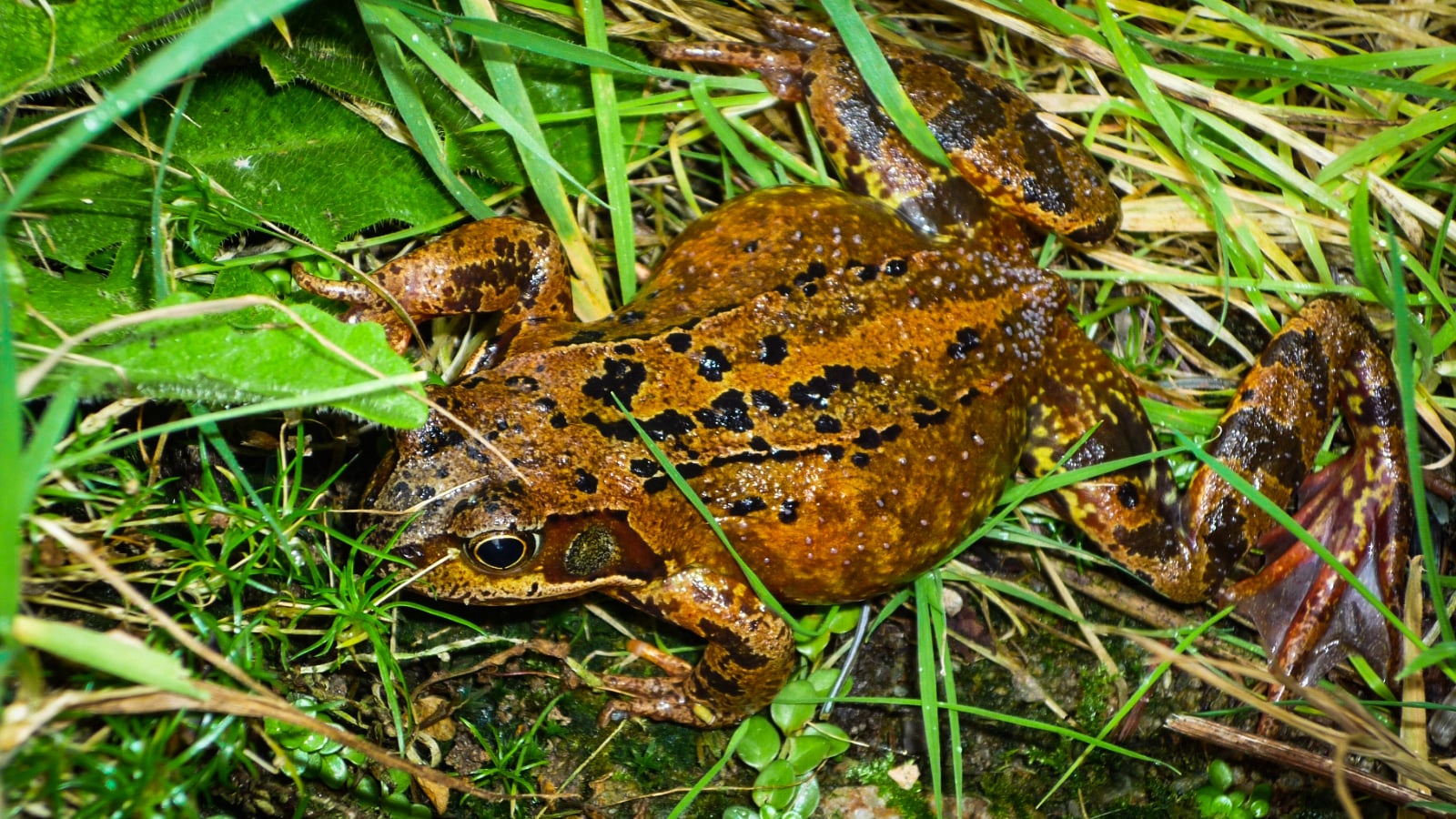
The environs surrounding Killary Harbour unfurl a rich tapestry of diverse habitats, each contributing to its unique ecological richness. Within a mere 500 meters from the shoreline, one traverses farmland, blanket bogs, raised bogs, woodlands, and seashores, a testament to the complex interactions sculpted by glaciation. These varied environments provide shelter and sustenance for an array of plant and animal species, fostering a delicate balance of life.
In the moors and bogs, the delicate spotted orchid thrives, its vibrant blooms adding splashes of color amidst the verdant landscape, while the roadsides burst with the fiery hues of montbretia, painting the countryside with a vivid palette of nature's artistry. Along the shoreline, sheep graze amidst drifts of seaweed, where migratory birds find sanctuary during their arduous journeys across continents.
Of course, the most expansive habitat is the sea itself. The 15-kilometer expanse of Killary Harbour teems with life beneath its shimmering surface, hosting a plethora of marine species, including fish, crustaceans, shellfish, and an array of seaweeds that sway gently with the ebb and flow of the tides. Remarkably, the majestic basking shark, the second-largest fish globally, occasionally graces the bay's entrance, its presence adding to the area's allure as a biodiverse haven, a sanctuary where land and sea converge in a symphony of life and harmony.
Economy
The age-old tradition of hill sheep farming, once the cornerstone of the local economy, has undergone a transformative shift towards aquaculture and tourism. While farming persists as a vital aspect of the community's identity, the economic landscape has evolved, with every farmer now balancing traditional agricultural practices with supplementary "day jobs" to sustain their livelihoods. Along the serene shores of Killary, the sight of salmon and mussel farmers diligently tending to their aquaculture operations has become a common occurrence, symbolizing the region's adaptation to changing times.
Nestled amidst picturesque surroundings, Leenane's burgeoning tourist industry traces its roots back to the 1800s, when intrepid walkers and avid fishermen first discovered the area's natural splendor. Today, tourism stands as a cornerstone of the local economy, emerging as perhaps the most significant source of employment opportunities for residents. The allure of Leenane's breathtaking landscapes, coupled with its rich cultural heritage, continues to captivate visitors from far and wide, sustaining a vibrant and thriving tourism sector that not only enriches the experiences of travelers but also fuels the community's prosperity and growth.
In this dynamic interplay between tradition and innovation, Leenane finds itself at the crossroads of preservation and progress, embracing its heritage while embracing the opportunities presented by a changing world. As the tides of time continue to shape its destiny, Leenane remains steadfast in its commitment to preserving its natural beauty and cultural legacy for generations to come.